For many families displaced by the war, the issue of childcare remains unresolved. In some communities, kindergartens are closed for security reasons, and where they are open, there is often a shortage of places. Children may not attend kindergarten due to health reasons, while parents need to work or study. This is why the Municipal Nanny program is becoming critically important: the government compensates for part of the childcare costs.
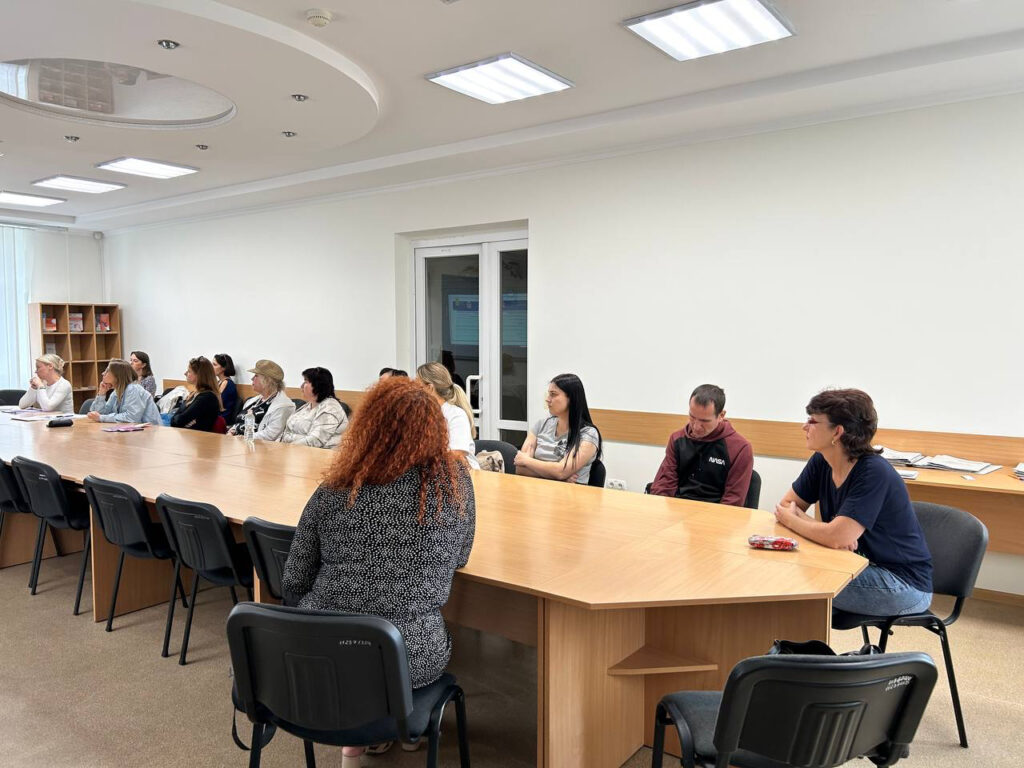
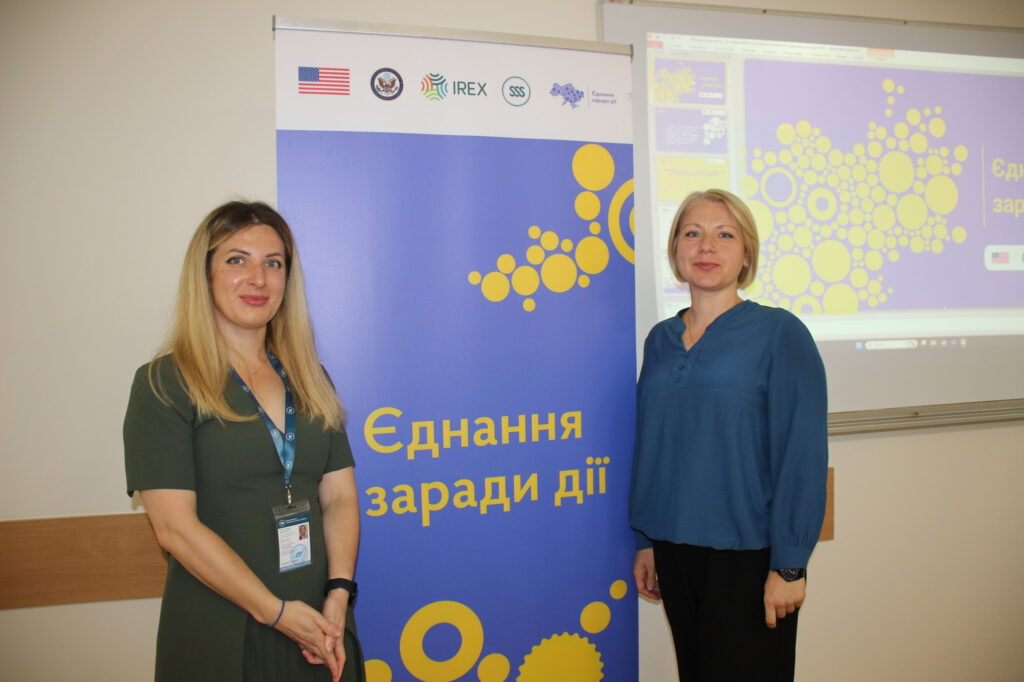
On September 23, in Rivne, a workshop was held on who can receive this support, what documents are needed, and what to do in the event of a refusal. The event was organized for internally displaced families as part of the United Voices in Action program, implemented by the international organization IREX together with the Ukrainian charity foundation Stabilization Support Services, with the support of the U.S. Department of State.
The workshop was attended by 15 people — IDPs, parents of young children seeking employment, and local residents who want to combine childcare with work or study.
Eligibility for Compensation from the Government
Various categories of families are eligible for compensation. In particular, these include IDP families with children under three years old displaced by the war. The program is also available for children up to six years old if one of the parents has a Group I or II disability, or if the child has a disability or a serious illness and requires care. In addition, support is provided to families with children up to six years old in communities where kindergartens are officially not operating due to the security situation.
During the workshop, families were given detailed information on where to look for a nanny and how to verify her official status, as well as what documents need to be prepared and submitted. Participants were explained how to correctly draw up a contract with a municipal nanny and which clauses to pay attention to. The most common reasons for refusal were discussed separately, as was the procedure to follow if the nanny changes or the family moves.
“This is the first I’ve heard that I can use this program. It’s a chance to go back to work and know that my child is being looked after,” said one of the participants, Alina.
“The most valuable part was that they showed us examples of documents and explained how to avoid mistakes,” added another participant, Oksana.
Many IDPs are unaware of programs that can make their lives easier, so such events provide an opportunity to get information directly from experts. In addition, participation in the workshop promotes social integration: people get to know each other and share experiences.
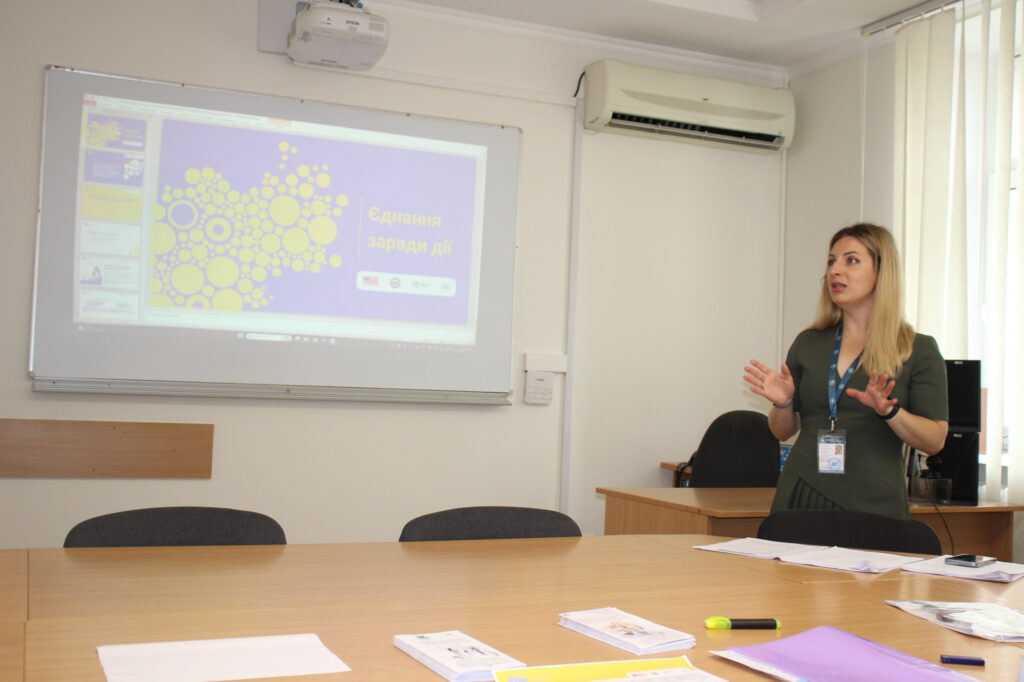
“We wanted every family to leave the workshop not just with information, but with a practical action plan for receiving compensation. I expect that more families will actually be able to use the program. Municipal Nanny is an opportunity for IDP families to combine raising children with work and integration into the community. What matters most is to correctly prepare the documents and know your rights,” noted Natalia Rusakova, the regional coordinator of the United Voices in Action program in Rivnenska Oblast, who conducted the workshop.
Where and How to Find a Nanny
Finding a nanny is a responsible step, as both the quality of care and the ability to receive compensation depend on it. Families usually look for help through official agencies, job sites, local communities, or recommendations from other parents.
Experts advise paying attention not only to documents but also to practical experience working with children of the appropriate age. Reviews, a medical certificate, and the willingness to sign an official written contract are also important. The contract is the key condition for participation in the Municipal Nanny program.
Workshop participants learned that the compensation is not included in the family’s total income and therefore does not affect other social benefits. It was also emphasized that it is important for parents to carefully check the nanny’s status in the Unified State Register, clearly define the terms of the contract (including the procedure during an air raid alert), and keep all supporting documents.
For reference: The Municipal Nanny program has been in effect since 2019 and, during the period of martial law, has expanded conditions for internally displaced persons and communities where kindergartens are not operating. The compensation is up to 8,000 hryvnias per month (165 hours of care), but not more than the actual cost of services. A nanny can be chosen from among individual entrepreneurs or legal entities with the appropriate registration.
This publication was made possible within the framework of the United Voices in Action program, implemented by the international organization IREX together with the Ukrainian Charity Foundation “Stabilization Support Services” and with the support of the U.S. Department of State. The content is the sole responsibility of the Ukrainian Charity Foundation “Stabilization Support Services” and does not necessarily reflect the views of IREX and the U.S. Department of State.